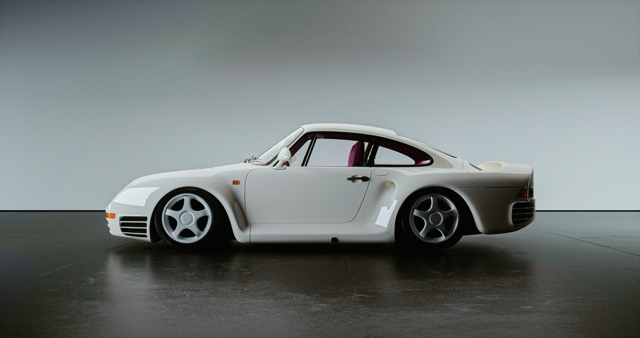






The world of supercars is not just about speed; it’s a blend of art, engineering, and cultural significance. Over the years, certain models have emerged as icons, not only for their performance but also for their ability to capture the imagination of enthusiasts and casual fans alike. In this article, we will explore the evolution of supercars, dissect the engineering marvels that make them iconic, unveil the top ten supercars that defined a generation, and provide ownership insights for those looking to climb aboard the supercar dream.
The Evolution of Supercars: A Brief Overview
The term "supercar" has evolved significantly since the first models began to emerge in the late 20th century. Initially, these vehicles were defined by their ability to reach speeds well over 150 mph, a stark contrast to the typical sports cars of their time. The late 1960s and early 1970s saw the birth of iconic models like the Lamborghini Miura and the Ferrari 512, which not only pushed the limits of speed but also introduced revolutionary designs that turned heads and set new benchmarks in the automotive world.
As technology advanced through the 1980s and 1990s, supercars began to integrate cutting-edge engineering and materials. The introduction of turbocharging, carbon fiber, and advanced aerodynamics redefined performance. Models like the McLaren F1, which debuted in 1992, became benchmarks for speed and performance, achieving a staggering top speed of 240 mph. This period also marked the rise of the "hypercar," a term that encapsulated the next echelon of performance vehicles, blending extreme speed with luxury and exclusivity.
The 21st century has ushered in a new era for supercars, characterized by hybrid technology and digital interfaces. The Porsche 918 Spyder and the Ferrari LaFerrari exemplify how manufacturers are merging traditional combustion engines with electric power to enhance performance while also addressing environmental concerns. This evolution reflects a broader shift in consumer desires, with buyers increasingly looking for powerful performance alongside sustainability.
Engineering Marvels: What Makes These Cars Iconic?
At the heart of every supercar lies an engineering marvel that blends performance, design, and technology. The engines in these vehicles are not just powerful; they are crafted masterpieces that deliver exhilarating speed and responsiveness. For instance, the use of lightweight materials such as carbon fiber and aluminum reduces weight while increasing structural integrity, allowing for sharper handling and improved acceleration. This strategic engineering is vital in achieving the extraordinary performance metrics that supercars are known for.
Aerodynamics also plays a crucial role in a supercar’s design. Features like active aerodynamics, which can adjust the car’s aerodynamic profile based on speed and driving conditions, are now common in high-end models. This technology enhances downforce, allowing for better grip and stability at high speeds. The iconic wing designs and sleek silhouettes of supercars are not just for show; they are meticulously engineered to channel airflow effectively, creating a blend of beauty and functionality.
Moreover, supercars are often at the forefront of automotive technology, incorporating advanced features such as adaptive suspension systems, state-of-the-art infotainment, and driver assistance technologies. These innovations not only enhance the driving experience but also set new standards for what consumers can expect from high-performance vehicles. The ability to merge luxury with raw performance is what truly cements a supercar’s place in automotive history.
Legendary Models: The Top 10 Supercars Unveiled
-
Ferrari F40 – Launched in 1987, the F40 was the last car personally approved by Enzo Ferrari. With a twin-turbo V8 engine producing 471 hp, it was the first production car to break the 200 mph barrier, making it an instant classic.
-
McLaren F1 – This 1992 supercar featured a unique three-seat layout and a BMW-sourced V12 engine, allowing it to reach speeds of 240 mph. Its lightweight construction and advanced aerodynamics set new benchmarks for performance.
-
Lamborghini Miura – Often regarded as the first true supercar, the Miura’s mid-engine layout revolutionized sports car design. Its stunning looks and powerful V12 engine made it a symbol of 1960s luxury.
-
Bugatti Veyron – Introduced in the mid-2000s, this hypercar featured an 8.0-liter W16 engine that produced over 1,000 hp, allowing it to achieve speeds of 267 mph. The Veyron combined extreme performance with unparalleled luxury.
-
Porsche 918 Spyder – A pioneering hybrid supercar that blends a 4.6-liter V8 engine with two electric motors, the 918 delivers both impressive power and fuel efficiency, showcasing the future of high-performance vehicles.
-
Ferrari LaFerrari – This hybrid supercar boasts a naturally aspirated V12 engine paired with an electric motor, producing a combined 950 hp. Its cutting-edge technology and stunning design have made it a modern classic.
-
Koenigsegg Agera RS – With a top speed of 277 mph, the Agera RS holds the record for the fastest production car. Its lightweight design and powerful twin-turbo V8 engine exemplify Swedish engineering at its finest.
-
Pagani Zonda – Known for its artful design and incredible performance, the Zonda features a Mercedes-Benz AMG V12 engine. Its limited production and bespoke options make it a favorite among collectors.
-
Nissan GT-R – Often referred to as "Godzilla," the GT-R has become a staple in the supercar community. Its advanced all-wheel-drive system and twin-turbo V6 engine deliver exceptional performance at a more accessible price point.
-
Aston Martin Valkyrie – This upcoming hypercar combines F1 technology with road car performance. Its naturally aspirated V12 engine and lightweight carbon fiber construction make it one of the most anticipated models in the market.
Ownership Insights: Tips for Aspiring Supercar Enthusiasts
Owning a supercar is a dream for many, but it comes with its own set of challenges and responsibilities. First and foremost, potential buyers should consider the costs beyond the initial purchase price. Maintenance, insurance, and storage can add up quickly, so it’s crucial to budget accordingly. Many supercars require specialized service, and finding a reputable mechanic familiar with these high-performance vehicles is essential for keeping them in optimal condition.
Another aspect to consider is the driving experience itself. While supercars are built for speed, they also require a different approach to driving. It’s advisable to take advanced driving courses to fully appreciate the capabilities of these machines and ensure safety. Understanding how to handle a supercar in various conditions can enhance the ownership experience and prevent costly mistakes.
Lastly, joining a community of fellow enthusiasts can provide invaluable support and insights. Whether through online forums, local car clubs, or supercar events, connecting with others who share your passion can lead to friendships and opportunities for shared experiences. These networks often offer resources for maintenance tips, upgrades, and even track days to truly test the limits of your supercar.
The world of supercars is as thrilling as it is intricate. From their engineering marvels to the cultural impact they’ve had over the years, these vehicles represent the pinnacle of automotive achievement. Whether you’re a seasoned enthusiast or an aspiring owner, understanding the legacy and technology behind these iconic models will enhance your appreciation for them. As you embark on your supercar journey, remember that the experience goes beyond just ownership—it’s about the passion, community, and the exhilarating ride that awaits.