




The world of automotive engineering has witnessed various revolutions, but few have been as captivating as the emergence of the hypercar. These vehicles, characterized by their extraordinary performance and cutting-edge technology, have evolved from mere concepts into reality, shaping not only the automotive landscape but also the aspirations of car enthusiasts worldwide. This article will explore the evolution of the modern hypercar, from its early beginnings to the latest innovations, and look ahead to future trends in this exhilarating segment of the auto industry.
The Birth of the Hypercar: Early Concepts and Innovations
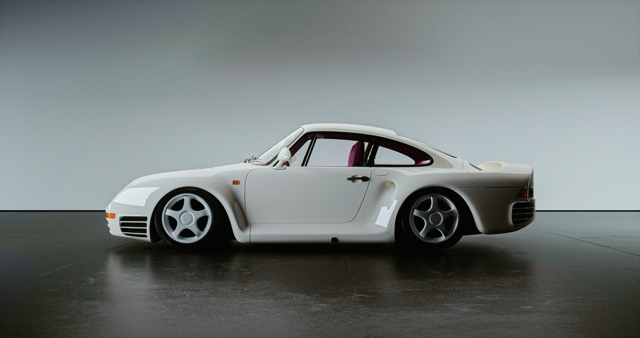
The term "hypercar" is often used to describe vehicles that push the boundaries of speed and technological advancement, but its roots trace back to the 1980s and 1990s. During this period, manufacturers began experimenting with lightweight materials, advanced aerodynamics, and powerful engines. The Lamborghini Countach and the Ferrari F40 are notable examples that set the stage for future hypercars. These models introduced performance metrics that were previously deemed unattainable, offering speeds that made them legends in the automotive world.
As these early models captured the imaginations of car enthusiasts, they prompted further innovations in engineering. The introduction of turbocharging and all-wheel drive systems revolutionized performance capabilities, allowing for better handling and acceleration. Additionally, the 1990s saw the release of models like the McLaren F1, which not only emphasized speed but also the importance of driver engagement and comfort. This pivotal moment laid the groundwork for what would soon be recognized as the hypercar category.
By the early 2000s, the concept of the hypercar had gained traction, but it was still largely confined to the realm of prototypes and limited-production vehicles. The development of hybrid technology began to emerge, hinting at a new era where environmentally friendly solutions could coexist with high performance. The groundwork was set for an automotive revolution that would soon redefine the hypercar landscape.
Pioneering Models That Redefined Performance Standards
The early 2000s witnessed the introduction of several groundbreaking hypercars that would set new benchmarks for performance. The Bugatti Veyron, launched in 2005, was a game-changer, boasting an astonishing top speed of 253 mph and a 0-60 mph time of just 2.5 seconds. This vehicle not only showcased raw power with its quad-turbocharged W16 engine but also elevated luxury and craftsmanship to new heights. The Veyron’s success challenged other manufacturers to innovate further, igniting a fierce competition among automakers.
Around the same time, the Koenigsegg CCX emerged, offering an alternative approach to performance through its lightweight carbon fiber construction and unique engine design. With a focus on aerodynamics and efficiency, the CCX demonstrated that hypercars could be both powerful and agile. This shift in design philosophy forced even established brands to rethink their strategies, highlighting the importance of not just speed, but also handling and driver experience.
The Ferrari LaFerrari and McLaren P1 followed suit, introducing hybrid technology to the hypercar arena. These models combined traditional internal combustion engines with electric powertrains, offering not only unprecedented performance but also improved fuel efficiency. By redefining performance standards, these pioneering models solidified the hypercar’s status as a symbol of engineering excellence and luxury.
Technological Advancements Shaping Today’s Hypercars
As we dive deeper into the 2020s, the hypercar market continues to evolve at a breathtaking pace, driven by technological advancements that enhance performance, safety, and sustainability. One of the most significant trends is the integration of hybrid and electric powertrains. Manufacturers like Rimac Automobili have demonstrated that electric vehicles can deliver mind-boggling acceleration while reducing environmental impact. The Rimac C_Two, for instance, boasts a 0-60 mph time of under two seconds, proving that electrification need not compromise performance.
Additionally, advancements in materials science play a crucial role in modern hypercar development. The use of carbon fiber, lightweight alloys, and advanced composites allows manufacturers to design vehicles that are not only faster but also safer. These materials contribute to improved aerodynamics and handling, allowing hypercars to achieve better lap times and overall performance metrics.
Moreover, cutting-edge technology extends beyond the engine and chassis. Innovations in driver assistance systems, telemetry, and infotainment have transformed the driving experience. Features like adaptive cruise control, lane-keeping assistance, and advanced connectivity options provide drivers with enhanced control and comfort. As technology continues to evolve, the hypercar is becoming a multifaceted machine that balances raw power with everyday usability.
The Future of Hypercars: Trends and Ownership Insights
Looking ahead, the future of hypercars is bright, with several trends shaping the landscape. As manufacturers increasingly prioritize sustainability, we can expect more models to feature hybrid and fully electric powertrains. This shift will not only appeal to environmentally conscious buyers but also challenge manufacturers to innovate in terms of performance and range. The push for sustainability is likely to drive a new wave of competition, spurring advancements that benefit the entire auto industry.
In addition to technological innovations, the hypercar market is also witnessing a growing interest in personalization. Buyers are no longer just looking for speed; they want unique vehicles that reflect their personal tastes and styles. This trend has led to a surge in bespoke options, allowing owners to customize everything from color schemes to interior materials. The exclusivity of hypercars makes them not only performance machines but also valuable collectibles, appealing to enthusiasts and investors alike.
Despite the allure of hypercars, potential owners should be aware of the challenges that come with ownership. Maintenance costs can be exorbitant, and specialized service is often required. Furthermore, the limited production runs make sourcing replacement parts a potential headache. Prospective buyers should conduct thorough research and consider factors such as insurance costs, resale value, and ongoing maintenance before making a purchase. With the right information, owning a hypercar can be an incredibly rewarding experience.
The evolution of the modern hypercar is a testament to human ingenuity and the relentless pursuit of excellence in automotive engineering. From their early conceptual stages to the high-performance machines we see today, hypercars have captured the hearts of enthusiasts and collectors alike. As technology continues to advance, the future promises exciting developments that will keep this niche segment at the forefront of automotive innovation. Whether you’re an aspiring owner or a passionate enthusiast, one thing is certain: the hypercar’s journey is far from over.