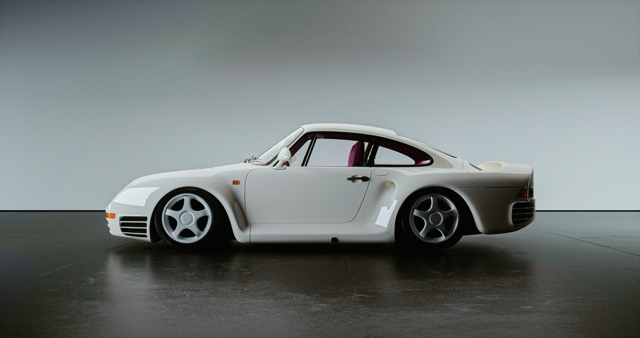






Aerodynamics plays a crucial role in determining a vehicle’s top speed, fuel efficiency, and overall performance. The way air flows around a car can either enhance or hinder its ability to slice through the atmosphere, making it a vital consideration for automotive designers and enthusiasts alike. In this article, we will explore the basics of aerodynamics, key design features that influence a vehicle’s top speed, real-world examples of cars with exceptional aerodynamic performance, and practical tips to optimize your own car’s aerodynamics.
Understanding the Basics of Aerodynamics in Vehicles
Aerodynamics refers to the study of how gases interact with moving bodies. In the context of vehicles, it primarily concerns how air flows around a car as it moves. When a vehicle is in motion, it displaces air, creating drag—the resistance that opposes its forward motion. The amount of drag a vehicle experiences can significantly affect its speed and fuel efficiency. The goal of good aerodynamic design is to minimize this drag while maximizing downforce.
Key aerodynamic concepts include drag coefficient (Cd), frontal area, and lift/drag ratios. The drag coefficient is a dimensionless number that quantifies an object’s resistance to airflow. Vehicles with lower Cd values are generally more aerodynamic. Frontal area refers to the total area of a vehicle that faces the oncoming air. A smaller frontal area reduces drag and enhances efficiency. Lift and drag ratios are also critical, as they describe how effectively a car can generate downforce without significantly increasing drag.
Understanding these principles gives automotive engineers the tools they need to design vehicles that not only perform better but are also more fuel-efficient. As cars become more advanced, the integration of aerodynamic principles into their design becomes increasingly essential to meet both performance and environmental standards.
Key Design Features That Influence Top Speed
Several design features directly impact a vehicle’s aerodynamic performance and, consequently, its top speed. One of the most significant factors is the shape of the vehicle. Streamlined designs, characterized by smooth lines and rounded edges, allow air to flow more easily around the car, reducing turbulence and drag. Conversely, boxy or angular designs can create more drag, which can inhibit speed.
Another crucial aspect is the vehicle’s underbody design. A flat, smooth undercarriage can reduce drag significantly compared to a vehicle with an uneven or protruding underbody. Many high-performance cars feature diffusers, which help manage airflow beneath the vehicle, enhancing stability and reducing drag. Additionally, the placement of features like spoilers and air intakes can either increase or decrease aerodynamic efficiency, depending on their design and positioning.
Lastly, the choice of materials can also affect a vehicle’s aerodynamics. Lightweight materials can help reduce the overall weight of the vehicle, making it easier to achieve higher speeds. However, it’s essential to balance weight savings with structural integrity and safety, which can complicate the design process.
Real-World Examples: Cars with Exceptional Aerodynamics
One of the most notable examples of exceptional aerodynamics is the Tesla Model S. With a drag coefficient of just 0.24, it is one of the most aerodynamically efficient production cars on the market. This efficiency not only contributes to its impressive top speed but also enhances its electric range, making it a favorite among eco-conscious drivers. The sleek design, combined with active aerodynamics, allows the Model S to maintain high performance while minimizing drag.
Another exemplary vehicle is the Bugatti Chiron, boasting a drag coefficient of 0.38. While this number may seem higher than that of the Tesla, the Chiron utilizes advanced engineering and design features like an adjustable rear wing and a well-designed underbody to optimize airflow. These elements help the Chiron achieve a staggering top speed of over 300 mph, making it one of the fastest production cars available.
Additionally, the Porsche 911 GT3 is a testament to the importance of aerodynamic design in performance vehicles. With its iconic rear wing and carefully sculpted body, the GT3 achieves a perfect balance of downforce and drag, allowing it to maintain high speeds on the track without sacrificing stability. These examples highlight the powerful impact of aerodynamic design on real-world performance.
Tips to Optimize Your Car’s Aerodynamic Performance
Improving your car’s aerodynamic performance doesn’t necessarily require a complete redesign. Simple modifications can make a significant difference. One of the most effective ways to enhance aerodynamics is to clean the car regularly. Dirt, debris, and even minor modifications can disrupt airflow, increasing drag. Maintaining a clean surface allows for smoother airflow and improved efficiency.
Installing a front splitter or a rear spoiler can also help optimize airflow around your vehicle. These aerodynamic accessories are designed to manage air pressure and enhance downforce, which can improve stability at high speeds. Additionally, consider using wheel covers or low-drag wheels to minimize turbulence around the tires, which is a common source of drag.
Lastly, ensure that your tires are properly inflated. Under-inflated tires can create more rolling resistance, which can, in turn, affect your car’s overall aerodynamic efficiency. Regular maintenance, including checking tire pressure and alignment, can go a long way in maximizing your vehicle’s performance.
In conclusion, understanding the principles of aerodynamics and how design influences top speed is essential for both automotive enthusiasts and everyday drivers. From the shape of the vehicle to the materials used, every element plays a critical role in determining how efficiently a car can cut through the air. By learning from real-world examples and implementing simple modifications, you can significantly enhance your vehicle’s aerodynamic performance, leading to improved speed and efficiency. Whether you’re looking to optimize your daily driver or seeking insights for your next high-performance vehicle, the principles of aerodynamics are foundational in the quest for automotive excellence.