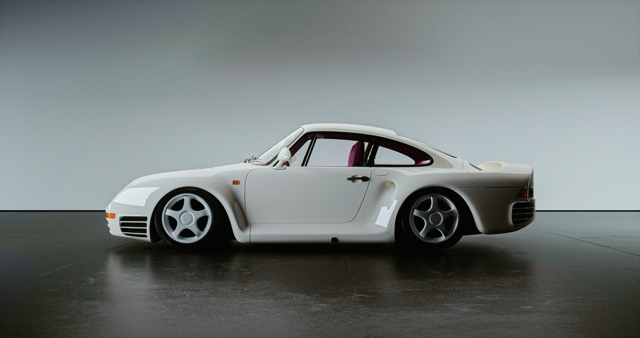






The aesthetics of modern automotive design have transformed dramatically over the decades, reflecting changes in technology, consumer preferences, and cultural values. From the sleek lines of classic cars to the bold, angular shapes of today’s vehicles, the journey of automotive design is a fascinating tale of innovation and creativity. This article delves into the evolution of automotive design, key elements that define modern aesthetics, the influence of technology on design trends, and the delicate balance between form and function in car design.
The Evolution of Automotive Design: A Historical Perspective
The history of automotive design can be traced back to the early 20th century when cars were primarily utilitarian machines, focused on functionality rather than aesthetics. Iconic models like the Ford Model T were designed for mass production and affordability, emphasizing practicality. However, as consumer culture began to evolve in the 1950s and 1960s, so did the design philosophy. Automakers started to embrace more flamboyant styles, introducing features like chrome accents and tail fins, which were symbolic of the era’s optimism and growth.
By the late 20th century, automotive design underwent another significant transformation with the rise of Japanese manufacturers, who introduced a more minimalist and efficient approach. Brands like Toyota and Honda focused on streamlined shapes and aerodynamic efficiencies, which not only appealed to consumers but also optimized fuel consumption. This shift pushed Western manufacturers to adapt, leading to a blend of American bravado and Japanese practicality in the 1980s and 1990s.
Today, we continue to witness an amalgamation of past influences and future aspirations in automotive design. The integration of electric vehicles and sustainable materials has ushered in a new era, where aesthetics meet ecological consciousness. As we look forward, the design landscape is increasingly influenced by global trends and technological advancements, showcasing a dynamic interplay between innovation and tradition.
Key Elements Shaping Modern Car Aesthetics Today
Modern automotive aesthetics are characterized by several key elements, each contributing to a vehicle’s overall appeal. One prominent aspect is the emphasis on aerodynamics. Manufacturers have invested heavily in wind tunnel testing to create shapes that minimize drag and enhance fuel efficiency. This has led to smoother body lines, sculpted surfaces, and innovative designs that not only look good but also perform better. As a result, many contemporary cars feature streamlined contours that echo the principles of fluid dynamics.
Another fundamental element is the use of lighting technology. LED headlights and taillights have revolutionized how vehicles are perceived on the road. Designers use lighting as a signature element—distinct light patterns and shapes can make a car instantly recognizable. Additionally, the interplay of light and shadow on a car’s surface can highlight its curves and angles, adding depth and character to the overall design.
Color and materials also play crucial roles in modern automotive aesthetics. The trend has shifted from traditional paint finishes to more advanced coatings that provide unique visual effects, such as matte finishes and color-shifting paints. Additionally, the use of sustainable materials like recycled plastics and natural fibers is becoming more prevalent, aligning with consumers’ growing preference for environmentally friendly products. Together, these elements create a holistic design approach that resonates with buyers seeking both beauty and responsibility.
How Technology Influences Automotive Design Trends
Technology has become a driving force in automotive design, shaping not only aesthetics but also functionality. Advanced software and 3D modeling tools allow designers to experiment with shapes and forms that were once impossible to achieve. This technological revolution has enabled the creation of complex geometries that are both visually striking and aerodynamically efficient. Moreover, virtual reality (VR) and augmented reality (AR) are now being used in the design process, allowing stakeholders to visualize and interact with concepts before they are physically produced.
The integration of smart technology into vehicles has also influenced design trends. Features such as touchscreens and digital displays are now central components, reshaping interior layouts and ergonomics. As manufacturers strive to create seamless user experiences, the cabin design has moved towards minimalism, emphasizing clean lines and intuitive interfaces. This not only enhances aesthetics but also promotes driver safety and comfort.
Additionally, advancements in manufacturing techniques, such as 3D printing and robotics, allow for more intricate designs and customization options. Consumers today can engage in the design process, choosing from a variety of materials, colors, and features that reflect their personal style. This shift towards personalization has made modern cars not just modes of transportation but extensions of individual identity.
The Balance Between Form and Function in Car Design
One of the greatest challenges in automotive design is achieving a harmonious balance between form and function. Aesthetic appeal is essential for attracting buyers, but it must not come at the expense of practicality. Designers must consider various factors, including safety, performance, and usability while crafting visually stunning vehicles. This interplay often results in innovative solutions that enhance both the beauty and functionality of a car.
For instance, the rise of crossover vehicles exemplifies this balance. These vehicles combine the sleek aesthetics of a sedan with the practicality of an SUV, offering consumers the best of both worlds. The design incorporates higher ground clearance and ample cargo space without sacrificing visual appeal. This adaptability has made crossovers immensely popular and illustrates how modern automotive design can cater to diverse consumer needs.
Moreover, sustainability is now a crucial component of both form and function. As manufacturers pivot towards electric and hybrid vehicles, the challenge is to design cars that are not only environmentally friendly but also stylish and desirable. The shift towards eco-conscious materials and efficient designs is redefining what consumers expect from their vehicles, ensuring that aesthetics and functionality coexist in perfect harmony.
The aesthetics of modern automotive design reflect an intricate interplay of history, technology, and consumer preference. As we look ahead, we can expect continued evolution in this field, with innovative materials, cutting-edge technologies, and a growing emphasis on sustainability shaping the vehicles of tomorrow. For car enthusiasts and everyday drivers alike, understanding these trends can help make informed decisions, whether it’s choosing a new vehicle or simply appreciating the artistry behind automotive design.