





===
Throughout automotive history, certain engines have not only powered vehicles but have also transformed the way we think about transportation. These legendary engines have set performance benchmarks, influenced design, and even shaped entire industries. In this article, we will explore the top 10 legendary engines that changed history, delving into their revolutionary impact, the rise of electric motors, the role of turbochargers, and the iconic engines that defined their eras.
The Revolutionary Impact of the Internal Combustion Engine
The internal combustion engine (ICE) is arguably one of the most significant inventions of the modern era. Introduced in the late 19th century, it powered the first automobiles and revolutionized transportation. By converting fuel into mechanical energy, the ICE made it possible for vehicles to travel longer distances at unprecedented speeds. Its design has evolved dramatically since its inception, with advancements in fuel efficiency, power output, and emissions control that have made it a staple in the automotive world.
One of the most influential examples of the ICE is the Ford Model T, which debuted in 1908. The Model T’s simplicity and affordability democratized car ownership, allowing the masses to experience the freedom of the open road. This pivotal shift in society not only changed how people traveled but also how they lived and worked, leading to the development of suburban areas and a new lifestyle centered around mobility.
Despite the rise of alternative energy sources, the internal combustion engine remains a dominant force in the automotive industry today. Innovations like direct fuel injection and variable valve timing have extended its relevance, ensuring that it continues to meet the demands of performance and sustainability. As we move toward a more electrified future, the ICE’s legacy will undoubtedly influence the next generation of vehicles.
How Electric Motors Are Shaping the Future of Driving
Electric motors represent a paradigm shift in automotive technology, offering a cleaner and more efficient alternative to traditional combustion engines. With zero tailpipe emissions and lower operating costs, electric vehicles (EVs) are gaining traction among environmentally conscious consumers. The Tesla Model S, for instance, has set new standards for performance and range, demonstrating that electric power can compete with, and even surpass, gasoline engines in terms of speed and efficiency.
In addition to environmental benefits, electric motors provide instant torque, resulting in rapid acceleration and an overall engaging driving experience. With fewer moving parts than an ICE, electric motors also require less maintenance, making them an attractive option for many drivers. As battery technology continues to improve, the range and affordability of EVs will likely increase, further solidifying their place in the automotive landscape.
Major manufacturers are investing heavily in electric vehicle technology, with companies like Volkswagen, Ford, and General Motors committing to ambitious electrification plans. As charging infrastructure becomes more widespread and consumer acceptance grows, electric motors are poised to redefine the automotive industry, setting the stage for a cleaner, more sustainable future in transportation.
The Role of Turbochargers in Performance Enhancements
Turbochargers have played a crucial role in enhancing the performance of internal combustion engines, allowing for greater power output without significantly increasing engine size. By forcing extra air into the combustion chamber, turbochargers enable engines to burn more fuel efficiently, resulting in improved horsepower and torque. This technology has become a staple in both performance and everyday vehicles, providing a balance of power and fuel economy that appeals to a wide range of drivers.
One of the standout examples of turbocharged engines is the Subaru WRX STI. With its turbocharged flat-four engine, this vehicle has become synonymous with rally performance and has gained a loyal following among enthusiasts. The added boost not only enhances acceleration but also contributes to the distinctive sound and driving experience that defines the WRX brand.
As automotive regulations become stricter and fuel efficiency becomes more critical, turbocharging will likely remain a key technology in the industry. Manufacturers are continuously innovating to refine turbocharger designs, improving responsiveness and reducing turbo lag. This ensures that turbocharged engines will continue to deliver thrilling performance while meeting the demands of a more eco-conscious market.
Iconic Engines That Defined Their Automotive Eras
Certain engines have become legendary, defining entire automotive eras and leaving an indelible mark on car culture. The Chevrolet Small Block V8, introduced in the late 1950s, is one such engine. Known for its versatility and performance, this engine has powered everything from muscle cars to trucks, cementing its status as an icon in American automotive history. Its simple design and adaptability have made it a favorite among performance enthusiasts and restorers alike.
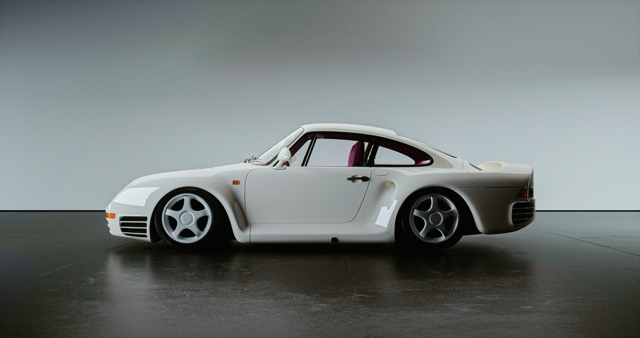
Another iconic engine is the Porsche 911’s flat-six. Since its debut in the early 1960s, this engine has propelled the 911 to legendary status in the sports car world. With its unique design and distinctive sound, the flat-six has become synonymous with Porsche’s performance philosophy, proving that engineering excellence can create an exhilarating driving experience. The 911’s enduring popularity is a testament to the engine’s impact on automotive history.
As we look to the future, it’s essential to recognize the legacy these engines leave behind. They have not only shaped automotive design and performance but have also influenced consumer preferences and driving experiences. Understanding the history of these iconic engines can provide valuable context for the ongoing evolution of automotive technology and the vehicles of tomorrow.
===
The engines that have changed history are more than just mechanical components; they represent milestones in innovation and design that have altered the course of transportation. From the revolutionary internal combustion engine to the game-changing electric motor and the performance-enhancing turbocharger, each has played a pivotal role in shaping the automotive landscape. As we continue to embrace new technologies, it’s essential to appreciate the legacy of these legendary engines and how they have influenced the vehicles we drive today and will drive in the future.