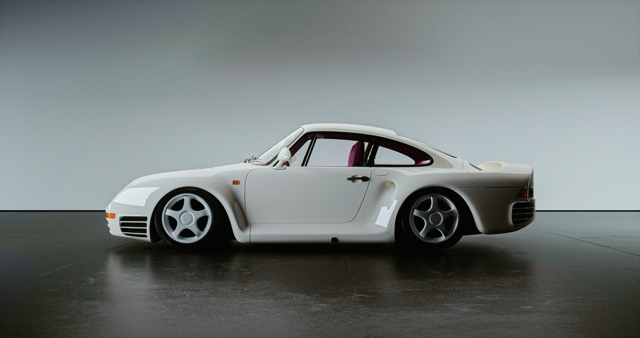






As the automotive landscape shifts, the debate between electric and gasoline-powered vehicles continues to gain momentum, particularly in the realm of high-speed performance. With advancements in technology, electric vehicles (EVs) are no longer just eco-friendly alternatives; they are becoming serious contenders on the racetrack. This article explores the evolving dynamics between electric and gasoline engines, assessing their capabilities, performance attributes, and future trends in high-speed driving.
The Rise of Electric Vehicles: Performance on the Track
Electric vehicles have surged in popularity due to their impressive performance metrics, driven by advancements in battery technology and electric motor design. Leading the charge are manufacturers like Tesla, Porsche, and Rimac, who have created high-speed EVs that rival traditional sports cars. With instant torque delivery and minimal mechanical complexity, electric motors can provide exhilarating acceleration, making them especially appealing for racing enthusiasts.
Moreover, as battery technology improves, the range and charging times of electric vehicles are becoming less of a concern. Innovative solutions, such as ultra-fast charging stations and battery swapping technologies, are paving the way for EVs to compete not only in everyday driving but also in high-performance scenarios. Tracks around the world are beginning to host electric racing series, showcasing the capabilities of these vehicles and attracting a new generation of racing fans.
Additionally, the shift towards electric racing is supported by a growing interest in sustainability. Events like Formula E highlight that high-speed performance can coexist with environmental responsibility. By prioritizing electrification, manufacturers are also tapping into a market segment that values both speed and a reduced carbon footprint, making electric vehicles a compelling choice for the future of high-speed racing.
Gasoline Engines: The Legacy of Speed and Power
Gasoline engines have long been synonymous with raw power and speed, forming the backbone of the automotive industry for over a century. The roar of a V8, the precision of a turbocharger, and the visceral connection drivers feel with their vehicles are aspects that many enthusiasts treasure deeply. High-performance gasoline cars, such as those from Ferrari, Lamborghini, and Ford, continue to evoke passion, showcasing engineering feats that many drivers find irresistible.
Despite the rise of electric vehicles, gasoline engines maintain a strong foothold in the high-speed arena. The advancements in internal combustion technology—such as direct fuel injection, variable valve timing, and hybrid systems—have allowed for extraordinary performance enhancements. These innovations mean that gasoline engines can still deliver exceptional speed and thrilling driving experiences, even as the industry pivots towards electrification.
However, the legacy of gasoline engines faces scrutiny from environmental advocates and regulatory bodies. The push for lower emissions and the impending bans on new gasoline vehicles in several countries are prompting manufacturers to rethink their strategies. Nevertheless, the sound, feel, and adrenaline rush of a gasoline engine remain hard to replicate, ensuring that they will continue to hold a special place in the hearts of enthusiasts for years to come.
Comparing Acceleration: Electric vs. Gasoline Performance
When it comes to acceleration, electric vehicles often have the upper hand due to their unique power delivery systems. Electric motors can provide 100% of their torque instantly, allowing for breathtaking off-the-line speed that often outpaces traditional gasoline engines. This instantaneous power means that many high-performance EVs can achieve 0-60 mph times that rival or even surpass some of the fastest gasoline supercars on the market.
In contrast, gasoline engines typically require a moment to build up power, especially those with turbochargers or larger displacements. While high-performance gasoline vehicles can achieve impressive acceleration, they often rely on complex engineering to maximize power output. This can lead to a more engaging driving experience, but it also means that the throttle response may not be as immediate as that of an electric vehicle.
However, the debate doesn’t end with acceleration alone. Factors such as weight distribution, handling dynamics, and overall driving experience come into play. While EVs excel in straight-line speed, gasoline-powered vehicles often provide a more connected and visceral driving experience, particularly on twisty roads or racetracks. The choice between electric and gasoline performance ultimately comes down to personal preferences and driving styles.
What the Future Holds: Trends in High-Speed Driving
Looking ahead, the future of high-speed driving is poised for significant change, influenced by advancements in technology and shifting consumer preferences. One notable trend is the integration of hybrid technology, which combines the best of both worlds—electric and gasoline. Hybrid systems can enhance performance by utilizing electric motors for additional torque while allowing gasoline engines to maintain their performance legacy, thus providing a more versatile driving experience.
Moreover, automakers are increasingly investing in research and development aimed at improving battery efficiency and charging infrastructure. As these advancements come to fruition, electric vehicles are expected to not only compete with gasoline cars in terms of performance but could potentially surpass them in a variety of driving scenarios. The development of solid-state batteries, for example, promises to offer higher energy densities and faster charging times, making electric performance even more compelling.
Lastly, the growing emphasis on connected and autonomous driving will reshape the high-speed driving experience. As vehicles become smarter, manufacturers are working on systems that enhance performance and safety, allowing for more thrilling experiences without sacrificing control. This convergence of technology and performance signifies that the future of high-speed driving will be both exciting and unpredictable, challenging conventional notions of speed and power.
In conclusion, the electric versus gasoline debate in high-speed performance is multifaceted and constantly evolving. While electric vehicles have made significant strides in terms of performance, gasoline engines continue to hold a cherished legacy. The future promises a blend of both worlds, where hybrid technologies and advanced battery systems may redefine speed and driving experiences. As automotive enthusiasts, staying informed about these trends will empower us to make wise choices in an ever-changing landscape, ensuring that the thrill of driving continues for generations to come.