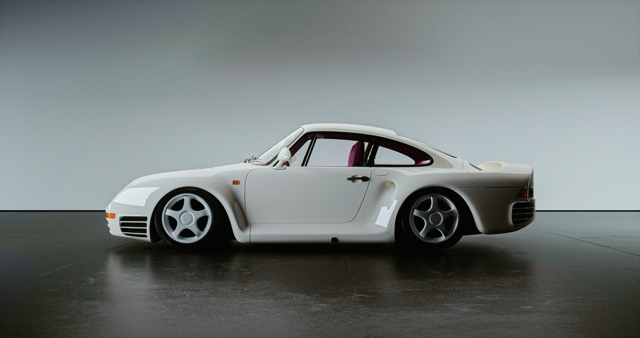






Choosing your first high-performance sports car is an exhilarating journey filled with excitement, anticipation, and a fair amount of research. With a plethora of options available, the decision can be daunting. This ultimate guide aims to simplify the process by diving into essential concepts, key features to consider, budgeting strategies, and maintenance tips. Whether you’re a novice or an enthusiast, this guide will help you make an informed decision, ensuring that you drive away in the sports car of your dreams.
Understanding High-Performance Sports Cars: Key Concepts to Know
High-performance sports cars are designed for speed, agility, and precision, often characterized by their powerful engines and lightweight structures. These vehicles typically feature advanced engineering, including aerodynamics and suspension systems, that allow for superior handling and responsiveness. Understanding the terminology associated with these cars—such as horsepower, torque, and 0-60 mph times—will help you gauge their performance capabilities. A solid grasp of these basics will empower you to compare models effectively and identify what suits your driving style.
Another critical aspect to consider is the type of driving experience you desire. Do you want a car that excels on the racetrack, or are you looking for a vehicle that performs well both on the road and during spirited drives? High-performance sports cars can range from track-focused models like the Porsche 911 GT3 to more versatile options like the Ford Mustang GT. Knowing your preferences will help you narrow down your choices and focus on models that fit your lifestyle, ensuring that your first sports car is a perfect match.
Lastly, consider the brand’s reputation and the car’s legacy. Some manufacturers are synonymous with performance and have a proven track record in motorsport, which can add to the allure of owning such a vehicle. Brands with rich histories, such as Ferrari, Lamborghini, and BMW, often incorporate technology derived from their racing divisions, providing a thrilling driving experience. Researching the manufacturer’s history and the specific model’s reviews will give you insights into performance reliability and the overall ownership experience.
Essential Features to Look for in Your First Sports Car
When selecting your first high-performance sports car, several key features can significantly impact your driving experience. Firstly, evaluate the engine specifications. Look for vehicles equipped with turbocharged or naturally aspirated engines that offer a balance of power and responsiveness. Consider the power-to-weight ratio, as a lighter car with ample horsepower will typically deliver a more thrilling performance than a heavier model. Additionally, understanding transmission options—like manual vs. automatic—can influence your driving enjoyment and connection to the car.
Next, don’t overlook the importance of suspension and braking systems. Quality suspension systems are crucial for handling, especially when cornering at high speeds. Features like adaptive suspension allow you to customize your ride quality, enhancing comfort without sacrificing performance. Similarly, high-performance brakes, such as ceramic or carbon-ceramic options, can provide better stopping power, allowing you to drive confidently knowing you can handle sudden changes in speed or direction.
Finally, technology and connectivity features have become integral in modern sports cars. Look for advanced infotainment systems, driver assistance technologies, and customizable driving modes. These features can enhance your driving experience, making it more enjoyable and safe. For instance, adaptive cruise control and lane-keeping assistance can help during long drives, while customizable modes allow you to adjust performance settings to match your driving style and preferences.
Budgeting for Your Dream Ride: Costs Beyond the Price Tag
While the initial price of a high-performance sports car is a significant factor, it’s essential to consider the total cost of ownership. Insurance premiums for sports cars can be substantially higher than standard vehicles, so obtaining quotes from various providers will give you a clearer picture of ongoing expenses. Additionally, factors such as your driving record and the car’s safety ratings can also influence insurance costs. Make sure to factor these costs into your budget to avoid surprises after your purchase.
Maintenance and repair costs can also vary widely among sports cars. Some brands may offer more affordable parts and service options, while others might require specialized care that can be quite expensive. Researching common issues and the availability of service centers will help you gauge potential upkeep costs. Joining online forums or local clubs can provide valuable insights from current owners, giving you a realistic view of what to expect in terms of maintenance and repair expenses.
Finally, don’t forget about fuel costs. High-performance engines often require premium fuel, which can add up over time, especially if you’re planning to enjoy your car frequently. Being mindful of your driving habits and fuel choices can help you manage these costs effectively. Overall, a thorough understanding of all financial aspects will ensure that your dream ride remains a joy rather than a financial burden.
Maintenance Tips for New Sports Car Owners: Keeping It Prime
Once you’ve chosen your high-performance sports car, maintaining its performance and appearance should be a top priority. Regular maintenance is crucial for ensuring that your vehicle continues to perform at its best. Make it a habit to follow the manufacturer’s recommended service schedule, which typically includes oil changes, tire rotations, and brake inspections. Staying on top of these tasks will not only prolong the life of your car but also enhance your driving experience.
Another essential aspect of sports car maintenance is monitoring tire health. High-performance tires are designed to provide optimal grip and handling, but they can wear out more quickly than standard tires. Regularly check tire pressure and tread depth, and rotate your tires as necessary to ensure even wear. It’s also wise to invest in quality tires that match your driving style and the conditions you’ll encounter, whether on the track or the road.
Lastly, consider the importance of proper storage and cleaning. High-performance sports cars often feature delicate finishes that can be easily damaged. When not in use, store your car in a climate-controlled environment to protect it from the elements. Regularly wash and wax your vehicle to maintain its appearance and protect the paint from contaminants. Additionally, consider high-quality protective covers, especially if you park outside. Taking these proactive steps will keep your sports car looking pristine and performing at its peak for years to come.
Choosing your first high-performance sports car is a thrilling adventure that requires careful consideration and planning. By understanding the fundamental concepts, evaluating essential features, budgeting for ongoing expenses, and committing to regular maintenance, you can make an informed decision that aligns with your dreams and lifestyle. With the right approach, you’ll not only find the perfect car but also enjoy every exhilarating moment behind the wheel. Happy driving!