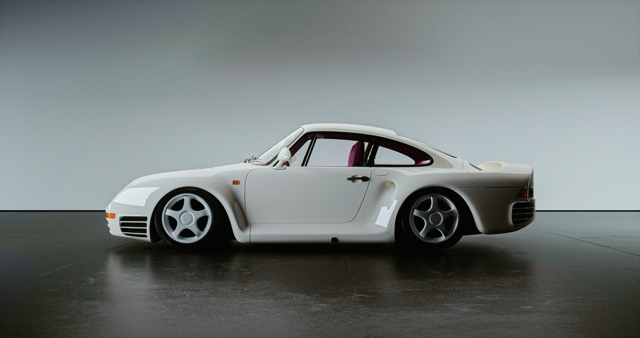






In the realm of high-performance vehicles, the term "downforce" often comes up in discussions about speed and stability. Downforce is the aerodynamic force that pushes a car down towards the road, enhancing its grip and overall handling. For enthusiasts and everyday drivers alike, understanding downforce is crucial for optimizing vehicle performance, especially at high speeds. This article delves into the intricacies of downforce, its impact on stability, the physics behind it, and practical tips for maximizing its benefits in your own performance car.
Understanding Downforce: What It Is and Why It Matters
Downforce is a fundamental principle in aerodynamics, referring to the vertical force exerted on a vehicle as air flows over and under it. This force is essential in counteracting the effects of inertia at high speeds, allowing the tires to maintain better contact with the road surface. Unlike lift, which can cause a vehicle to become airborne, downforce increases traction, enabling drivers to navigate corners more effectively and safely.
The design of a vehicle plays a pivotal role in generating downforce. Elements such as spoilers, wings, and splitters are strategically placed to manipulate airflow. These features create areas of low pressure above the vehicle, effectively pulling it down. As speeds increase, the relationship between speed and downforce becomes exponential; the faster you go, the more downforce is generated, which is why high-performance cars often look so aggressive with their aerodynamic designs.
Understanding downforce is not just for race cars; it’s critical for any performance-oriented vehicle. Whether you’re on the track or navigating winding roads, having an optimal level of downforce can significantly enhance your driving experience. It allows for greater confidence in handling and cornering, essential for both competitive and casual driving scenarios.
How Downforce Enhances Stability at High Speeds
At high speeds, a vehicle’s stability is paramount. Downforce plays a crucial role here by increasing tire grip, which directly affects how well a car can handle turns and sudden maneuvers. When a car generates sufficient downforce, it can maintain its trajectory without losing traction, reducing the likelihood of skidding or spinning out. This stability becomes increasingly important as speeds rise, making downforce a vital component for performance and safety.
Moreover, downforce helps mitigate the effects of lift, which can occur at high speeds when the aerodynamic design is not optimized. Lift can lead to instability, making a car feel "light" and difficult to control. By ensuring that downforce is maximized, drivers can enjoy a smoother ride and improved handling, allowing them to focus on the road rather than worrying about their vehicle’s behavior.
The relationship between downforce and stability can also be seen in professional racing. Drivers often rely on finely tuned aerodynamic setups to achieve maximum downforce without compromising speed. This balance is essential for racing success and serves as a benchmark for performance vehicles that aim to replicate the same level of control and safety for everyday drivers.
The Physics Behind Downforce and Vehicle Handling
The science behind downforce lies in the principles of fluid dynamics, specifically how air interacts with solid objects. When a vehicle moves, it displaces air, creating pressure differentials. The design of the vehicle, including its shape and any aerodynamic accessories, influences how effectively it can manipulate these airflows. A well-designed car can generate significant downforce without creating excessive drag, allowing it to slice through the air efficiently.
One key factor in the physics of downforce is the angle of attack. This refers to the angle at which airflow meets a surface, such as a wing or spoiler. Adjusting this angle can significantly increase downforce but may also increase drag. Engineers and designers must strike a careful balance to ensure that downforce is optimized without sacrificing speed or fuel efficiency.
Understanding these principles helps performance car owners make informed modifications. Whether it’s adjusting a spoiler or choosing the right type of tires, the interplay between downforce and vehicle handling is crucial for achieving peak performance. Enthusiasts often experiment with various setups to find what works best for their specific driving style and conditions.
Tips for Optimizing Downforce in Your Performance Car
For car enthusiasts looking to enhance downforce, there are several practical modifications to consider. First, investing in a quality aftermarket spoiler or wing can dramatically increase downforce without adding significant weight. These components are specifically designed to create the necessary airflow dynamics that will keep your car glued to the track or road.
Second, consider the vehicle’s ride height. Lowering the suspension can improve aerodynamics by reducing the distance between the car and the ground, allowing for better airflow underneath the vehicle. However, it is essential to ensure that this adjustment does not compromise the car’s handling or comfort.
Lastly, regular maintenance of your car’s bodywork is critical. Smooth, clean surfaces enhance airflow, maximizing downforce and reducing drag. Ensuring that all aerodynamic components are in good condition and free of obstructions will help maintain optimal performance. By implementing these strategies, drivers can maximize downforce, leading to improved stability and control at high speeds.
In conclusion, downforce is a critical aspect of high-speed stability in performance vehicles. Understanding its role and the physics behind it allows both enthusiasts and casual drivers to enhance their driving experience significantly. By implementing practical strategies for optimizing downforce, drivers can enjoy improved handling, better grip, and an overall safer driving experience. Whether you’re on the racetrack or navigating your daily commute, harnessing the power of downforce can make all the difference in your vehicle’s performance.