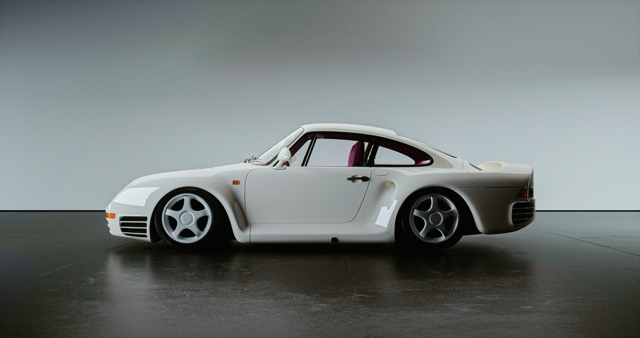






The allure of speed has captivated humanity for centuries, from the first steam-powered carriages to today’s high-performance supercars. The desire for speed isn’t just about getting from point A to point B; it taps into deeper psychological needs for excitement, freedom, and even social status. In this article, we will explore the psychological underpinnings of our need for high-performance vehicles, the science behind the thrill, and the balance between power and responsibility on the road.
Understanding the Thrill: What Drives Our Need for Speed?
The excitement of speed often stems from the adrenaline rush it provides. When we push a high-performance vehicle to its limits, our bodies release a surge of adrenaline, heightening our senses and giving us a sense of invincibility. This adrenaline-fueled experience can be addictive, leading many enthusiasts to seek out faster and more powerful vehicles. It’s not just about the speed itself; it’s the combination of freedom and exhilaration that makes driving a performance car feel so liberating.
Moreover, the thrill of speed often serves as an escape from the monotony of daily life. For many, driving a high-performance vehicle is a way to break free from stress and routine. The roar of the engine and the sensation of acceleration can transport drivers into a state of euphoria, where everyday worries fade away. This emotional release is a potent motivator, driving our fascination with speed and performance.
Additionally, cultural influences play a significant role in shaping our perceptions of speed. Movies, video games, and social media often glorify high-speed pursuits and automotive prowess. Icons like the Fast and Furious franchise have romanticized speed, making it not just a personal thrill but a collective aspiration. This cultural narrative reinforces our desire for performance vehicles, framing them as symbols of success and freedom.
The Science Behind Speed: How It Affects Our Brain Chemistry
When we experience high speeds, our brains react in complex ways that can enhance our enjoyment of driving. The rush of adrenaline is just the beginning; neurotransmitters like dopamine and serotonin play crucial roles in how we perceive speed. Dopamine, often referred to as the "feel-good" hormone, is released during thrilling experiences, reinforcing our desire for high-performance vehicles. This chemical response can create a loop of excitement that keeps us coming back for more.
Moreover, research suggests that the experience of speed can enhance cognitive function temporarily. The heightened state of awareness that comes with driving fast can improve reaction times and decision-making abilities, albeit in the short term. This sense of heightened alertness can be incredibly appealing, making speed not just thrilling but also mentally stimulating. However, this effect can be a double-edged sword, as it may lead some drivers to underestimate risks associated with high-speed driving.
Finally, the brain’s reward system plays a pivotal role in our desire for speed. Engaging in risky behavior, such as high-speed driving, can activate the brain’s reward pathways, leading to feelings of pleasure and satisfaction. This can explain why some individuals are drawn to the extreme performance of certain vehicles, as they seek the rush that accompanies pushing the limits. Understanding this psychology can help drivers navigate their desires for speed more responsibly.
High-Performance Vehicles: More Than Just a Status Symbol
While the thrill of speed is undoubtedly a significant factor in our love for high-performance vehicles, these cars often serve as symbols of status and achievement. Owning a supercar or a high-performance sedan can convey a sense of prestige and wealth, marking the owner as part of an exclusive club. This social aspect can enhance the appeal of these vehicles, making them more than just machines; they become extensions of personal identity.
The automotive industry has capitalized on this status symbol aspect by marketing high-performance vehicles as the ultimate expression of luxury. Brands such as Ferrari, Lamborghini, and Porsche have built reputations not only for speed but also for exclusivity and craftsmanship. The allure of owning a piece of automotive artistry adds an emotional layer to the experience, making the vehicle a coveted possession rather than merely a mode of transportation.
Additionally, the community surrounding high-performance vehicles fosters a sense of belonging among enthusiasts. Car clubs, track days, and automotive events offer opportunities for owners to connect and share their passion for speed. This communal aspect can amplify the enjoyment of owning a performance vehicle, as it allows individuals to engage with others who share their interests. Ultimately, the psychological appeal of high-performance vehicles extends beyond mere speed, intertwining with social identity and community.
Balancing Power and Responsibility: Safe Driving Tips for Speedsters
While the thrill of driving fast can be exhilarating, it’s essential to balance that excitement with responsibility. High-performance vehicles often come equipped with advanced safety features, but these are not a substitute for responsible driving. Understanding the limits of both your vehicle and your own driving skills is crucial in preventing accidents. Always take the time to familiarize yourself with your car’s capabilities and limitations before pushing it to its limits.
Driving at high speeds can lead to dangerous situations if not handled properly. Stay aware of your surroundings, obey traffic laws, and consider the conditions of the road. Engaging in speed-related activities should be limited to controlled environments, such as racetracks, where safety measures are in place. This allows you to enjoy the thrill of speed without putting yourself or others at risk.
Moreover, it’s important to recognize the impact that speed can have on other drivers and pedestrians. High-performance vehicles can be intimidating to others on the road, and aggressive driving can lead to misunderstandings and accidents. Respecting the shared nature of the road and driving responsibly can ensure that everyone can enjoy the freedom of speed without compromising safety.
The psychology of speed is a fascinating interplay of thrill, cultural influence, and social identity. Our craving for high-performance vehicles taps into deep-seated desires for excitement, freedom, and status. However, as we indulge in this passion, it’s vital to approach speed with a sense of responsibility and respect for the road. By balancing our love for speed with safe driving practices, we can continue to enjoy the exhilarating experience of high-performance vehicles while ensuring safety for ourselves and others.