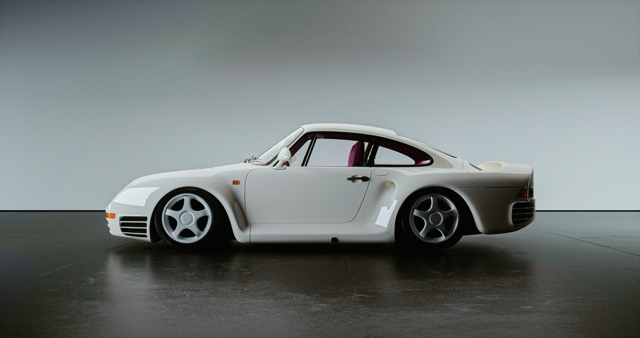






Choosing the right car cover is a crucial decision for any vehicle owner who wishes to protect their investment. With the right cover, you can shield your car from the elements, prevent scratches, and keep it looking new for years to come. However, with a myriad of options available, selecting the perfect car cover can be overwhelming. In this article, we’ll delve into the importance of a quality car cover, key features to consider, material selections, and tips for proper fitting and maintenance.
Understanding the Importance of a Quality Car Cover
A quality car cover serves as the first line of defense against environmental factors that can damage your vehicle. From harsh UV rays and rain to bird droppings and tree sap, the right cover can keep these elements at bay, preventing deterioration of your car’s paint and overall condition. This is especially important for those who park outdoors frequently or live in areas with extreme weather conditions.
Investing in a good car cover not only protects your vehicle but can also enhance its resale value. A well-maintained car is always more appealing to potential buyers, and a protective cover goes a long way in preserving the car’s exterior. Additionally, a quality cover can deter theft and vandalism, adding another layer of security for your cherished automobile.
Moreover, using a car cover can save you time and money in the long run. Regular cleaning and detailing can be costly and time-consuming, but with a protective cover, you can reduce the frequency of these maintenance tasks. By preventing dirt and debris from accumulating on your vehicle, a car cover allows you to enjoy your ride without the constant worry of upkeep.
Key Features to Look for in Car Covers
When selecting a car cover, there are several key features to consider that can significantly impact its effectiveness. First, look for a cover that offers water resistance and breathability. A waterproof cover will keep moisture out, but if it isn’t breathable, it can trap humidity underneath, leading to mold and mildew growth. A good balance of both is essential for optimal protection.
Another important feature is the presence of reinforced seams and durable stitching. These aspects ensure that the cover can withstand wear and tear over time, especially if you are in a windy area where flapping could cause damage. Additionally, check for elastic hems or straps that secure the cover in place, which will help keep it snug against your vehicle, preventing it from blowing off in strong winds.
Lastly, consider whether the cover offers UV protection. Prolonged exposure to sunlight can fade your car’s paint and damage interior materials. A cover with UV-resistant properties not only protects the exterior but can also keep the interior cooler and more comfortable, especially during hot summer months.
Choosing the Right Material for Your Vehicle
The material of your car cover is a vital factor in determining its suitability for your needs. Common materials include polyester, nylon, and cotton, each offering different levels of protection. For example, polyester is often used for its durability and water resistance, making it an excellent choice for outdoor use. On the other hand, cotton covers are softer and gentler on the paint but may not provide as much protection against the elements.
For those living in areas with extreme weather conditions, consider materials specifically designed for such climates. For instance, heavy-duty covers may be ideal for snowy regions, while lightweight options may be more appropriate for areas with mild weather. If your vehicle is exposed to a lot of sun, look for materials with reflective properties to keep the car cool and prevent paint damage.
It’s also worth considering car covers with added features like a soft inner lining. This can provide an extra layer of protection against scratches and scuffs, particularly important if you have a classic car or a vehicle with a delicate finish. Choose a cover based on your specific circumstances and the level of protection required for your vehicle.
Tips for Properly Fitting and Maintaining Your Cover
To ensure that your car cover provides optimal protection, it’s crucial to fit it properly. Start by selecting a cover that is specifically designed for your vehicle’s make and model, as this will ensure a snug fit that prevents debris from getting underneath. If you’re using a universal fit cover, make sure to check the dimensions and adjust it accordingly using straps or buckles for a secure fit.
Regular maintenance of your car cover is equally important. Keep it clean by washing it according to the manufacturer’s instructions, as dirt and grime can degrade the material over time. Avoid using harsh detergents that could damage the fabric; instead, opt for gentle cleaners that maintain the integrity of the cover. Properly drying the cover after washing is also essential to prevent mildew growth.
Finally, store your cover correctly when not in use. Avoid leaving it crumpled or in damp environments, as this can lead to mold and mildew. Instead, fold it neatly and keep it in a dry, cool location. By taking these steps, you can extend the life of your car cover and ensure that it continues to provide the protection your vehicle deserves.
In conclusion, choosing the right car cover is a significant step in protecting your vehicle from the elements and maintaining its aesthetic appeal. By understanding the importance of quality covers, key features, material options, and maintenance tips, you can make an informed decision that best suits your needs. A well-chosen car cover not only enhances your car’s longevity but also offers peace of mind, allowing you to enjoy your driving experience to the fullest.