





The BMW M1 Prototype is more than just a car; it’s a symbol of innovation, performance, and the racing spirit that defines the brand. Launched in the late 1970s, the M1 was BMW’s first foray into the world of supercars, and it quickly became a staple in motorsport history. With its striking design, powerful engine, and racing pedigree, the M1 continues to capture the hearts of automotive enthusiasts around the globe. This article delves into the legacy, engineering, design, and maintenance of the BMW M1 Prototype, celebrating its enduring impact on the automotive landscape.
The Legacy of the BMW M1 Prototype in Motorsport History
The BMW M1 Prototype has left an indelible mark on motorsport history, primarily due to its role in the Group 4 racing series. Launched in 1978, the M1 was designed to meet the homologation requirements for racing, which meant that a minimum number of road-legal versions had to be produced. Just 453 units were manufactured, making it a rare gem in the automotive world. The car was introduced as a formidable competitor against rivals like the Porsche 935 and Ferrari 512, showcasing BMW’s commitment to performance and innovation.
In 1980, the M1 not only made waves in the racing circuits but also became the centerpiece of the BMW M1 Procar Championship. This unique series featured a grid of M1 Procars driven by some of the world’s top racing talent, including Nelson Piquet and Niki Lauda. The Procar Championship was notable for its exciting format, where drivers competed in both qualifying and main races, generating significant media buzz and elevating the M1’s profile. This event helped solidify the M1’s status as a racing icon and showcased BMW’s engineering prowess.
Even today, the M1 Prototype is celebrated in motorsport circles and among collectors. Its racing achievements and limited production run have made it a sought-after vehicle, often fetching high prices at auctions. The legacy of the M1 Prototype lives on through its influence on subsequent BMW models, instilling a racing spirit that continues to resonate with enthusiasts and professionals alike.
Unpacking the Engineering Marvel Behind the M1 Prototype
At the heart of the BMW M1 Prototype is a powerful 3.5-liter inline-six engine known as the M88. This engine was derived from the one used in the BMW 3.0 CSL, a successful racing model, and was designed for high performance. With an output of approximately 277 horsepower in its road version and even more in its racing iterations, the M1 was engineered to deliver exhilarating speed and responsiveness. It featured a lightweight design, with an aluminum block and components that enhanced its overall performance.
The M1’s engineering ingenuity extends beyond its engine. The car was built on a unique tubular space frame, which not only reduced weight but also contributed to improved handling dynamics. Coupled with a low center of gravity and a rear-wheel-drive layout, the M1 offered exceptional agility and stability on the track. The suspension system, featuring independent front and rear setups, was specifically tuned for racing, providing the driver with precise feedback and control.
Furthermore, the M1’s engineering also included a focus on aerodynamics. The car’s design was optimized to minimize drag while maximizing downforce, which is crucial for high-speed stability. This attention to detail in engineering has made the M1 not just a beautiful vehicle but also a highly functional one, capable of competing at the highest levels of motorsport.
The Iconic Design Elements That Define the M1’s Appeal
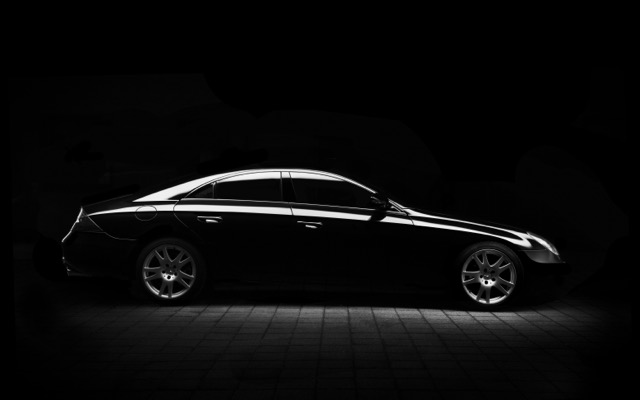
The BMW M1 Prototype is instantly recognizable, thanks to its striking and purposeful design. The car was penned by the legendary Giorgetto Giugiaro, who infused the M1 with a distinctive look that blends style with function. From its wedge-shaped profile to the sharp angular lines, every element of the M1’s design speaks to its performance-oriented character. The use of pop-up headlights and an aggressive front fascia not only enhances its aesthetic appeal but also serves to improve aerodynamics.
One of the most defining features of the M1 is its rear-end design, which houses a large rear spoiler that aids in downforce and stability at high speeds. The car’s wide wheel arches and low stance give it an aggressive road presence that captures the essence of a racing machine. Additionally, the M1’s signature kidney grilles and side vents not only enhance its sporty look but also play a functional role in cooling the engine and improving airflow.
Inside, the M1 embraces a minimalist yet driver-focused interior. The cabin is designed with racing in mind, featuring supportive bucket seats and a straightforward dashboard layout. The emphasis on function over luxury reflects the car’s racing heritage, making it a true driver’s car. This combination of iconic design and performance-oriented features has solidified the M1’s status as a timeless classic and a favorite among automotive enthusiasts.
Tips for Enthusiasts: Maintaining Your BMW M1 Prototype
Owning a BMW M1 Prototype is a privilege, but it also comes with responsibilities, especially when it comes to maintenance. Given its rarity and unique engineering, it’s crucial to find a qualified mechanic who specializes in vintage BMW models or, ideally, the M1 itself. Regular maintenance should include oil changes using high-quality synthetic oil and periodic checks of vital components like the brakes, suspension, and tires to ensure optimal performance.
Another important aspect of maintaining an M1 is preserving its originality. Many enthusiasts choose to keep their M1 in pristine condition, which may involve investing in OEM parts and avoiding modifications that could alter its performance characteristics or aesthetics. Keeping the car in a climate-controlled environment can also help prevent rust and preserve the integrity of the bodywork.
Finally, consider joining a community of M1 enthusiasts or vintage BMW clubs. These groups often share valuable advice, resources, and events that can enhance your ownership experience. Engaging with fellow owners can provide insights on maintenance tips, sourcing parts, and even potential track days or car shows where you can showcase your M1 Prototype.
The BMW M1 Prototype stands as a testament to the brand’s commitment to performance, innovation, and design. Its legacy in motorsport, groundbreaking engineering, and iconic styling have secured its place as a beloved classic among car enthusiasts. Whether you’re a seasoned collector or a new enthusiast, understanding the M1’s history and maintenance needs will ensure that this remarkable vehicle continues to inspire for years to come.