

Capturing fast cars in action is a thrilling endeavor that combines the art of photography with the excitement of automotive performance. Whether you’re at a racetrack or on the open road, the challenge lies in effectively conveying the speed and dynamism of these incredible machines. In this article, we’ll explore essential techniques, gear recommendations, timing strategies, and editing tips to help you elevate your car photography game. Let’s dive in!
Mastering Motion: Techniques for Dynamic Car Photography
When photographing fast cars, the key is to convey motion. Panning is one of the most effective techniques to achieve this effect. To pan, you need to track the car’s movement with your camera while using a slower shutter speed—typically between 1/60 to 1/250 seconds, depending on the speed of the car. This creates a blurred background that suggests speed while keeping the car itself sharp. Practice is essential, as it may take a few attempts to find the right balance between shutter speed and tracking accuracy.
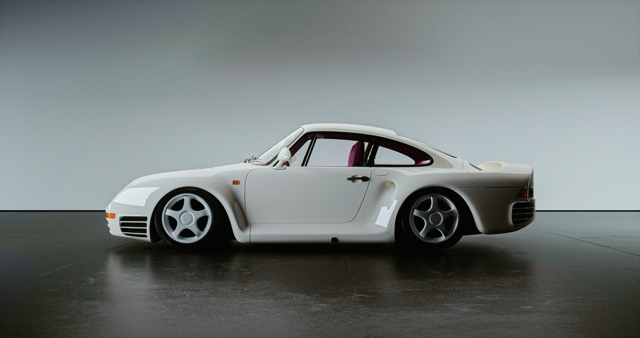
Another technique to consider is shooting from different angles. Low angles can make a car appear more aggressive and powerful, while high angles can provide an overview of the surroundings and context. Experiment with foreground elements like trees or fences to frame the car, adding depth to your photos. Additionally, try to capture the car in action—whether it’s drifting around a corner or speeding down a straightaway—to bring out its character and performance.
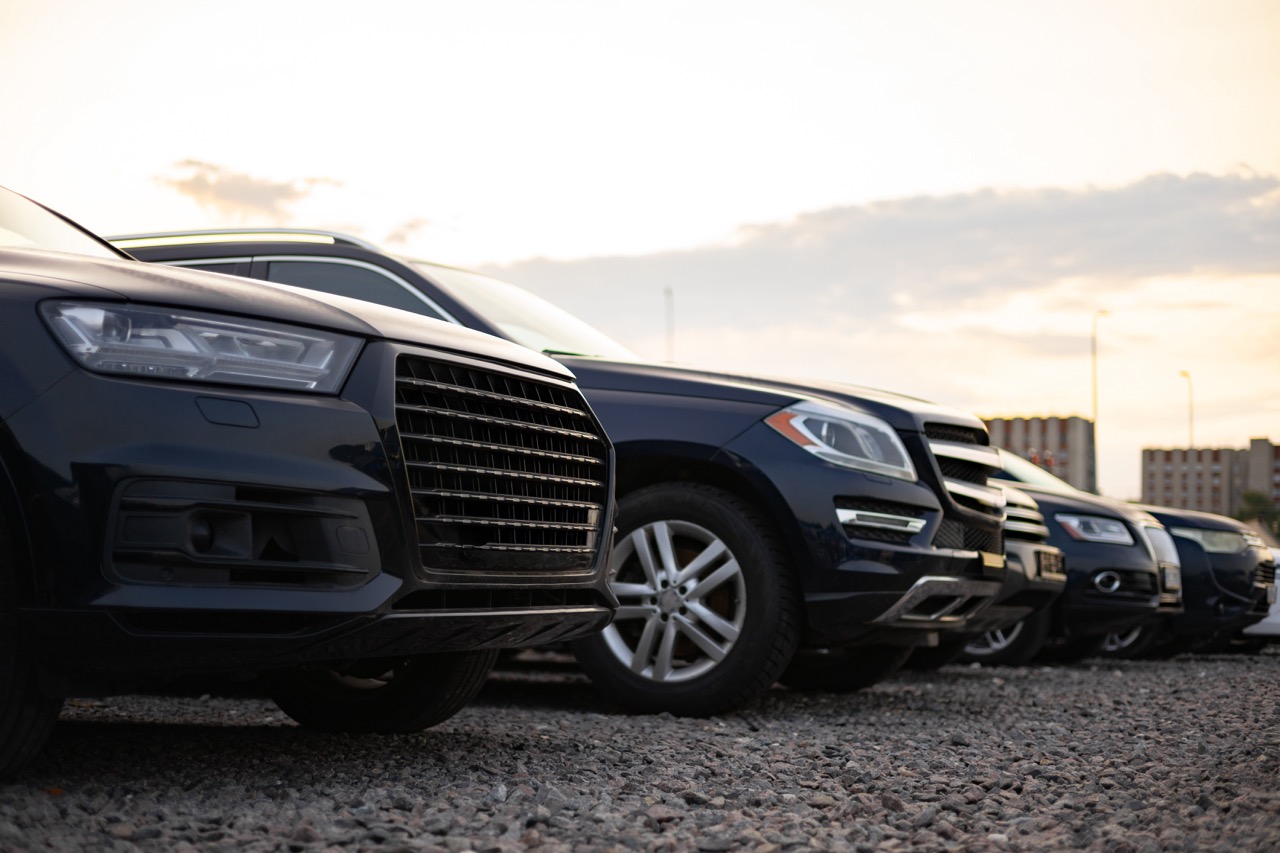
Lastly, lighting plays a crucial role in dynamic car photography. Early morning or late afternoon light (the golden hour) produces softer shadows and highlights that can enhance the car’s curves and colors. If you’re shooting at a racetrack, consider using artificial lighting or reflectors to fill in shadows, especially if you’re capturing images during overcast conditions. Mastering these motion techniques will ensure that your fast car images brim with energy and excitement.
Choosing the Right Gear: Lenses and Settings Explained
Selecting the right gear is vital for capturing fast cars effectively. A fast lens—typically with a wide aperture (f/2.8 or wider)—will help you achieve a shallow depth of field, allowing the car to stand out against a blurred background. A zoom lens (like a 70-200mm) is particularly versatile, enabling you to frame shots from a distance, especially in a racetrack environment where space might be limited.
In terms of camera settings, using continuous autofocus (AF-C) is crucial for tracking moving subjects. Set your camera to burst mode, which allows you to take multiple shots in quick succession. This increases the chances of capturing that perfect moment when the car is in full throttle or executing a tight turn. Additionally, configuring your ISO settings will depend on the lighting conditions; a higher ISO can help in lower light but can also introduce noise, so find a balance.
Lastly, don’t forget to consider your tripod or stabilizer. For panning shots, a tripod with a fluid head can provide smoother motion when tracking fast cars. If you want to capture action shots without the bulk of a tripod, a gimbal stabilizer will keep your camera steady, helping you to shoot at slower shutter speeds without introducing camera shake. Choosing the right gear and settings is foundational to producing stunning images of fast cars.
Timing Is Everything: Capturing Speed with Precision
Timing is crucial when it comes to photographing fast cars. Anticipating the right moment can mean the difference between a mediocre shot and an exhilarating one. If you’re at a racetrack, study the cars and their patterns—watch how they approach corners and when they accelerate. This knowledge will help you position yourself effectively to capture the action at its peak.
In addition to understanding the cars, it’s also beneficial to familiarize yourself with the event schedule. If you’re photographing a race, know when the cars will be at their fastest, such as during qualifying laps or during the race itself. This insight allows you to prepare your settings and positioning in advance, ensuring you’re ready to snap the perfect shot when the moment arrives.
Finally, practice makes perfect. Spend time shooting fast-moving subjects, whether they are cars, bikes, or even athletes. The more you practice, the better you will become at anticipating motion and timing your shots. Develop an instinct for when to press the shutter, and soon you’ll find yourself capturing breathtaking images that truly represent the thrill of speed.
Editing Tips: Enhancing Your Fast Car Images Like a Pro
Editing is where you can take your fast car images to the next level. Start with basic adjustments such as exposure, contrast, and saturation to make the colors pop and the details stand out. Programs like Adobe Lightroom or Photoshop offer powerful tools to refine your images. You can adjust highlights and shadows to create depth, ensuring that your subject—the car—remains the focal point.
Another effective editing technique is to enhance motion blur. If you captured a panning shot but feel the motion isn’t pronounced enough, you can add some blur in post-processing. This can give the impression of speed, making your image feel more dynamic. Be cautious, however; overdoing it can make your images look unnatural, so aim for a subtle enhancement.
Lastly, consider cropping your images for better composition. A well-composed shot draws the viewer’s eye to the car and emphasizes its speed. Use the rule of thirds to position the car in a way that feels balanced yet dynamic. Experiment with different aspect ratios to find what works best for each shot. With these editing tips, you’ll enhance your fast car images and make them truly stand out.
Capturing fast cars in action is both an art and a science, requiring the right techniques, gear, and timing. By mastering motion, choosing the right equipment, timing your shots, and utilizing effective editing techniques, you can create stunning images that showcase the thrill of speed. Whether you’re an automotive enthusiast or a budding photographer, these tips will help you elevate your car photography to new heights. Now grab your camera, hit the road, and start capturing the excitement of fast cars!