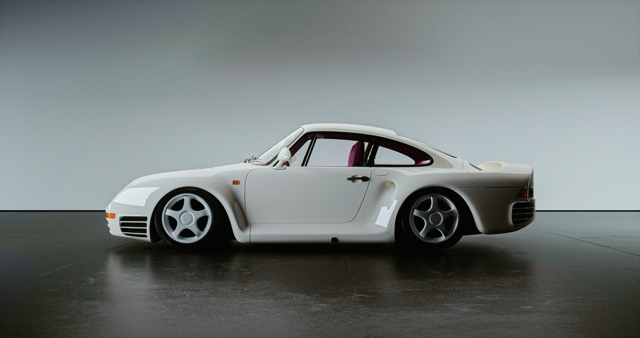






The importance of proper warm-up and cool-down procedures for vehicles cannot be overstated. These practices are essential not only for optimal engine performance but also for extending the lifespan of your car. Understanding how to effectively warm up your vehicle before driving and cool it down afterward can lead to significant benefits in terms of efficiency, longevity, and overall driving experience. In this article, we will explore the key aspects of warm-up and cool-down procedures and their impact on your vehicle’s health.
Understanding the Role of Warm-up Procedures for Vehicles
Warm-up procedures serve a critical function in preparing your vehicle for optimal performance. When you start your engine, the oil within it is often cold and thick. This can lead to inadequate lubrication, which increases friction and wear on engine components. By allowing your engine to warm up gradually, you ensure that the oil reaches an optimal temperature and viscosity, providing better lubrication and protection for the engine parts.
Additionally, warm-up procedures help the engine reach its ideal operating temperature more efficiently. Modern engines are designed to operate best at specific temperature ranges, and a proper warm-up can accelerate this process. This is especially important in colder climates where temperatures can drop significantly. A well-warmed engine runs more smoothly and efficiently, which can contribute to better fuel economy and reduced emissions.
Lastly, warming up your vehicle can also prepare other systems for operation. For example, the vehicle’s transmission and brakes benefit from a brief warm-up, as it allows fluids to circulate and reach their optimal operating temperature. This preemptive measure can enhance overall vehicle responsiveness and safety, making it a critical step in any driving routine.
Key Benefits of Proper Cool-down Techniques in Driving
Just as warming up is vital, so too is the cool-down process after driving. When you finish a journey, especially if it has been long or demanding, your vehicle’s engine and other components can be quite hot. Allowing your engine to cool down appropriately can help prevent overheating and reduce the risk of damage to sensitive components. This is particularly true for turbocharged engines, which can experience heat buildup that needs to be managed effectively.
Cooling down also allows the oil in the engine to settle and redistribute, which can help maintain optimal lubrication levels. If you turn off your engine immediately after a rigorous drive, you risk leaving oil in areas where it may not be adequately protecting critical components. A proper cool-down routine allows the engine to stabilize, promoting better oil circulation and preventing premature wear.
Moreover, a cool-down period can help improve the performance of other systems in your vehicle. For instance, brakes may need time to cool off after extensive use, especially in hilly or mountainous terrain. Allowing your breaks to cool can help prevent brake fade, ensuring that your vehicle remains safe and responsive when you need it most.
Essential Warm-up Practices for Optimal Engine Performance
To ensure that your vehicle benefits from an effective warm-up, it’s crucial to establish a routine. Start by letting your engine idle for about 30 seconds to a minute after starting it. This brief period allows the oil to circulate and reach vital engine components. However, it’s important to note that prolonged idling is not necessary and can be wasteful; modern engines warm up more efficiently while driving.
After this initial idle time, gently drive your vehicle at a moderate speed. Avoid high RPMs and aggressive acceleration until the engine reaches its operating temperature. This gradual approach not only protects the engine but also enhances fuel efficiency. Pay attention to the vehicle’s temperature gauge, and wait until it reaches the normal range before pushing your car harder.
Lastly, consider the weather conditions when warming up your vehicle. In extremely cold temperatures, it may take a bit longer for the engine to warm up. In such cases, you can incorporate additional practices like using a block heater or parking in a garage to help maintain a more temperate environment for your vehicle.
How Cool-down Affects Longevity and Efficiency of Your Car
An effective cool-down is essential for preserving the longevity of your vehicle. After a long drive, especially one that involves significant acceleration or heavy loads, the engine can become extremely hot. Allowing it to cool down gradually can help prevent warping of engine components, which can occur when hot metal is suddenly exposed to cooler temperatures. This practice helps maintain the structural integrity of the engine and can prevent costly repairs down the line.
Additionally, a proper cool-down can enhance the efficiency of your vehicle in the long term. When you cool down your engine appropriately, it allows for better thermal management, which can improve overall performance and fuel efficiency. The engine will be in a better state to handle subsequent drives, as the heat buildup won’t create additional stress on its systems.
Finally, understanding the importance of cool-down procedures can help you develop better driving habits. By integrating cool-downs into your routine, you foster a mindset that prioritizes care for your vehicle. This not only enhances your driving experience but also cultivates a deeper appreciation for the machinery you rely on daily.
In conclusion, the importance of warm-up and cool-down procedures in vehicle operation cannot be overlooked. These practices not only enhance engine performance but also contribute to the longevity and efficiency of your car. By investing a few extra minutes in proper warm-up and cool-down routines, you can ensure that your vehicle remains in optimal condition, ultimately saving you time and money on repairs. Embracing these practices will lead to a more enjoyable and responsible driving experience.