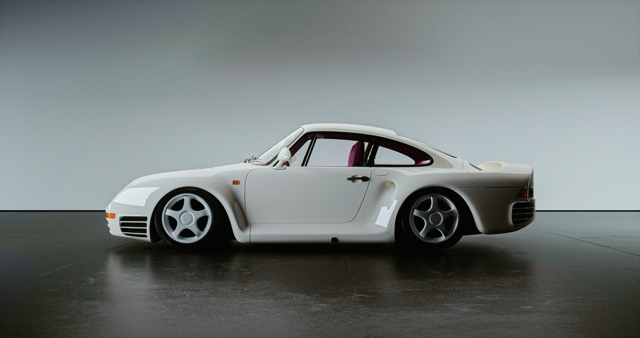






The automotive industry is on the brink of a technological revolution, with autonomous technology poised to transform the landscape of performance cars. Imagine a future where high-speed driving is not solely about human skill but also about advanced algorithms and artificial intelligence. This article delves into how autonomous technology enhances the driving experience, the key innovations driving this change, the challenges that come with it, and its potential impact on driving enthusiasts’ culture.
How Autonomous Technology Enhances Performance Driving Experience
The integration of autonomous technology into performance cars offers a unique blend of safety and exhilaration. With systems like adaptive cruise control and lane-keeping assistance, drivers can enjoy the thrill of high-speed driving while benefiting from enhanced safety features. These technologies allow for a more focused driving experience, where the driver can concentrate on the road ahead rather than worrying about maintaining speed or staying in their lane. As a result, performance driving becomes not just about raw power but also about precision and control.
Moreover, advancements in real-time data processing enable performance cars to analyze road conditions and driver behavior instantaneously. This means that the vehicle can adjust its performance parameters on the fly, optimizing everything from engine response to suspension settings. Such capabilities allow drivers to push the limits of their cars without the fear of losing control. With autonomous systems handling certain driving tasks, enthusiasts can experience a new level of performance that combines human intuition with machine efficiency.
Another significant aspect of autonomous technology is its potential to enhance the overall driving experience through connectivity. With features like vehicle-to-vehicle communication and real-time traffic updates, performance cars can adapt their routes and driving styles based on current conditions. This not only improves safety but also allows drivers to enjoy their time on the road more, making the driving experience itself more enjoyable and less stressful.
Key Innovations Driving the Future of Performance Cars
The future of performance cars is being shaped by several key innovations in autonomous technology. One such innovation is the development of advanced driver-assistance systems (ADAS) that leverage artificial intelligence and machine learning. These systems can learn from a driver’s habits and preferences, tailoring the driving experience to individual needs. For performance cars, this means being able to fine-tune handling characteristics and power delivery based on the driver’s style, offering a bespoke driving experience that was previously unattainable.
Another exciting area of innovation is the integration of augmented reality in head-up displays. Imagine a high-performance vehicle displaying critical information, such as speed, navigation, and performance metrics, directly onto the windshield. This allows drivers to keep their eyes on the road while still accessing vital data. These systems can also provide real-time feedback during performance driving, enabling enthusiasts to optimize their techniques and improve their skills without compromising safety.
Lastly, the shift toward electrification is revolutionizing performance cars, with electric vehicles (EVs) equipped with autonomous technology showing tremendous potential. Electric motors provide instant torque and precise control, making them ideal candidates for autonomous driving applications. Combined with advanced software, these vehicles can deliver breathtaking performance while maintaining the safety and efficiency that autonomous technology promises.
Challenges of Integrating Autonomy in High-Performance Vehicles
Despite the many benefits, integrating autonomous technology into high-performance vehicles is not without its challenges. One significant hurdle is the balance between autonomy and the thrill of driving. Many enthusiasts cherish the raw, unfiltered experience of driving a powerful car. As manufacturers incorporate more autonomous systems, there is a risk that the essence of performance driving could become diluted. Striking the right balance between enhancing safety and preserving the excitement of driving is a delicate task that requires careful consideration.
Another challenge is the technological complexity involved in developing these systems. High-performance vehicles operate under extreme conditions, and ensuring that autonomous technology can function reliably at high speeds is a daunting task. Engineers must account for various factors, such as rapid acceleration, braking forces, and a driver’s split-second decisions. This complexity not only increases development costs but also raises concerns about the reliability and safety of these systems in real-world scenarios.
Lastly, regulatory hurdles present another obstacle. As autonomous technology evolves, so too must the legal frameworks surrounding vehicle operation. Governments and regulatory bodies must establish standards that ensure safety while fostering innovation. This includes addressing liability in the event of an accident involving autonomous vehicles. Until clear regulations are in place, manufacturers may hesitate to fully embrace autonomy in high-performance cars, limiting their potential and delaying the future of driving.
The Impact of Autonomous Tech on Driving Enthusiasts’ Culture
The introduction of autonomous technology in performance cars could fundamentally change the culture surrounding driving enthusiasts. On one hand, these advancements may attract a new generation of drivers who prioritize technology and safety over raw power. This demographic may appreciate how autonomous systems can enhance their driving experience, making performance cars more accessible to a broader audience. Features like automatic lane changes and adaptive traction control can help novice drivers enjoy high-performance vehicles without feeling overwhelmed.
On the flip side, traditional enthusiasts may resist these changes, fearing that the essence of driving is being compromised. The connection between driver and machine is a fundamental aspect of the performance car culture, and the idea of relinquishing control to technology may be met with skepticism. As a result, the community may experience a divide between those who embrace the future of driving and those who cling to the past. This cultural shift could lead to new forms of automotive gatherings, discussions, and even competitions that celebrate both the traditional and the modern aspects of performance driving.
Ultimately, the future of autonomous technology in performance cars presents an opportunity for growth and evolution within the automotive community. As the technology matures, enthusiasts will have the chance to redefine what it means to drive for pleasure. Whether through embracing new advancements or celebrating the thrill of traditional driving, the culture surrounding performance cars will undoubtedly continue to adapt and thrive in the face of change.
As we look ahead, the future of autonomous technology in performance cars is filled with both promise and uncertainty. While it offers the potential for enhanced safety, personalized experiences, and groundbreaking innovations, challenges remain that must be addressed. The interplay between technology and driving culture will shape the next generation of automotive enthusiasts, creating a landscape where both tradition and innovation can coexist. Whether you’re a die-hard performance aficionado or a tech-savvy newcomer, the evolution of driving promises to be an exciting journey.