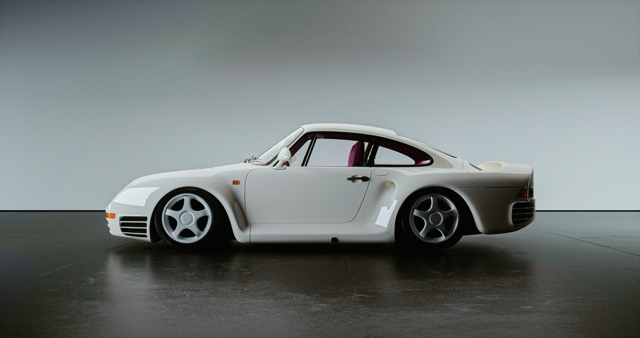






The 24 Hours of Le Mans is not just a race; it’s a crucible of innovation that has shaped the automotive landscape for over a century. Originating in the early days of motoring, this legendary endurance race has captured the imagination of car enthusiasts and engineers alike. The challenges of the race have pushed manufacturers to explore new frontiers in automotive design, performance, and safety. In this article, we will delve into the origins of the Le Mans race, key innovations that emerged from it, iconic cars that have won the event, and what the future holds for this storied competition.
The Origins of the Le Mans Race: A Legendary Beginning
The inaugural 24 Hours of Le Mans took place in 1923, establishing itself as one of the oldest endurance races in the world. The race was conceived as a way to promote the growing automobile industry in France, providing a platform for manufacturers to demonstrate the reliability and performance of their vehicles. Set on the Circuit de la Sarthe, the event combined public roads and closed-off sections, making it both thrilling and challenging for drivers.
From the outset, the race attracted a mix of professional and amateur drivers, creating a unique atmosphere where the spirit of competition thrived. The original format, which involved cars racing for 24 continuous hours, tested not only the machines but also the endurance of the teams involved. This blend of speed, skill, and strategy became a hallmark of the event, setting the stage for the innovations that would follow.
As the race gained popularity, it quickly became a proving ground for automotive technology. Manufacturers such as Bentley, Alfa Romeo, and Bugatti began to invest heavily in their vehicles, not just for the glory of winning, but to gain a competitive edge in the burgeoning market of performance cars. This early investment in racing technology laid the groundwork for advancements that would eventually filter down to consumer vehicles.
Key Innovations from Le Mans That Shaped Car Design
Throughout its history, Le Mans has been a catalyst for numerous innovations that have had lasting impacts on automotive design. One of the most significant advancements was the introduction of aerodynamics in the 1950s. Cars began to incorporate streamlined shapes and spoilers, which improved stability at high speeds and reduced drag. This focus on aerodynamics would later influence the design of road cars, leading to more fuel-efficient and faster vehicles.
Another major contribution from Le Mans was the development of lightweight materials. Manufacturers experimented with aluminum and composite materials to reduce the weight of racing cars, enhancing performance and fuel efficiency. This trend gradually made its way into consumer vehicles, allowing for more agile and responsive cars that remained robust and safe.
Additionally, the race has been instrumental in advancing safety technologies. As speeds increased, so did the need for better safety features. Innovations such as crash testing, reinforced cockpits, and improved braking systems emerged from the rigorous demands of Le Mans. These advancements have not only made racing safer but have also influenced the automotive industry’s approach to safety in everyday vehicles.
Iconic Cars: Le Mans Winners and Their Legacy
The 24 Hours of Le Mans has seen some of the most iconic cars in automotive history cross its finish line. One standout is the Ford GT40, which famously ended Ferrari’s dominance in the 1960s. With its powerful V8 engine and innovative design, the GT40 became a symbol of American engineering prowess and remains a beloved classic among car enthusiasts today.
Another legendary vehicle is the Porsche 917, which dominated the race in the early 1970s. Its flat-12 engine and lightweight construction set new standards for performance and speed. The 917’s success not only cemented Porsche’s reputation in the racing world but also influenced the design of subsequent models, emphasizing the importance of engineering excellence in consumer cars.
More recently, the Audi R18 TDI made headlines with its revolutionary diesel hybrid technology. Winning multiple races in the 2010s, the R18 showcased how hybrid systems could enhance performance while being environmentally friendly. This focus on sustainability and efficiency is increasingly relevant in today’s automotive market, where manufacturers are striving to meet stricter emissions regulations.
The Future of Le Mans: Trends and Technological Advances
As the automotive landscape continues to evolve, so too does the 24 Hours of Le Mans. The race is adapting to trends such as electrification and autonomous driving, reflecting the industry’s shift toward sustainable practices. The introduction of hybrid and electric vehicles into the race is not just a nod to environmental concerns; it’s also a testbed for technology that could redefine performance standards in motorsports and consumer vehicles alike.
Moreover, the increasing use of data analytics and telemetry in racing is setting the stage for smarter cars. Teams are leveraging real-time data to optimize performance, which could soon translate into consumer vehicles equipped with advanced driving aids and connectivity features. This data-driven approach promises to enhance not only racing strategies but also everyday driving experiences.
Looking ahead, the future of Le Mans is poised to merge traditional racing with cutting-edge technology. As manufacturers continue to experiment with new materials, powertrains, and design philosophies, the race will remain a vital platform for innovation. The lessons learned on the track will undoubtedly shape the next generation of vehicles, keeping the spirit of competition alive while pushing the boundaries of what’s possible in automotive design.
The 24 Hours of Le Mans has been a significant force in shaping automotive design and technology for over a century. From its humble beginnings to its current status as a premier endurance race, Le Mans continues to challenge manufacturers and inspire innovation. As we look toward the future, the lessons learned from this iconic race will undoubtedly influence the next wave of automotive advancements, ensuring that the legacy of Le Mans endures for generations to come.