





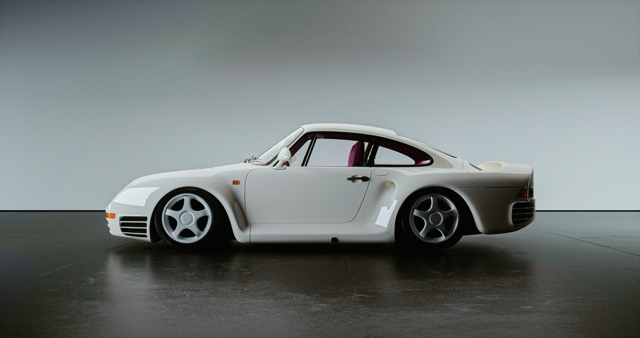
Restoring a classic muscle car is more than just a hobby; it’s a deeply rewarding journey that combines craftsmanship, nostalgia, and a passion for automotive history. As enthusiasts, we often find ourselves drawn to the raw power and unique designs of these iconic vehicles. Whether you’re a seasoned mechanic or a novice looking to dip your toes into the world of restoration, understanding the significance of muscle cars can enhance your appreciation for this labor of love.
The Joy of Restoring: Why Muscle Cars Matter Today
Muscle cars hold a special place in automotive history, representing a period of American ingenuity and rebellion. From the raw power of the Ford Mustang to the aggressive styling of the Chevrolet Camaro, these cars symbolize freedom and the open road. In today’s world of electric vehicles and hybrid technology, the classic muscle car stands as a testament to a time when horsepower was king and performance was paramount. Restoring one of these machines not only allows enthusiasts to reconnect with the past but also keeps this important piece of automotive culture alive.
Moreover, the process of restoration can be incredibly fulfilling. Every dent, rust spot, and engine hiccup tells a story, and bringing a classic muscle car back to life is a way of preserving that narrative. The joy of finding a rare part or mastering a complicated repair can be exhilarating. This journey fosters a sense of community among fellow enthusiasts who share tips, tricks, and often a deep emotional investment in the vehicles they restore. Together, they celebrate the spirit of the muscle car, reminding us why these cars continue to captivate our imaginations.
Finally, restoring a muscle car can also be seen as a sustainable practice. By breathing new life into an old vehicle, you’re reducing waste and minimizing the demand for new cars, which often come at the expense of our environment. The classic muscle car restoration movement encourages creativity and resourcefulness, allowing individuals to create something unique while contributing to a more sustainable automotive future.
Essential Tools and Skills for Your Restoration Journey
Before diving into your restoration project, it’s crucial to have the right tools and skills at your disposal. Basic hand tools such as wrenches, screwdrivers, and pliers are essential, but more specialized tools like torque wrenches, socket sets, and even a welding machine can make a significant difference. A good-quality jack and jack stands are also necessary for safely lifting the vehicle during repairs. If you’re planning to tackle the paint job yourself, an air compressor and spray gun will be invaluable.
In addition to tools, a solid understanding of automotive fundamentals is essential. Knowledge about engine mechanics, electrical systems, and bodywork will help you make informed decisions throughout the restoration process. Consider enrolling in a local automotive class or seeking mentorship from experienced restorers. Online forums and communities can also be a wealth of information, where you can ask questions and share your progress with others who share your passion.
Finally, patience is arguably the most important skill to cultivate during your restoration journey. Muscle car restoration is often a time-consuming endeavor that requires meticulous attention to detail. Expect setbacks, and don’t be discouraged by challenges. Embrace the learning process, and remember that each step—whether a success or a failure—brings you closer to your ultimate goal of reviving a classic piece of automotive history.
Step-by-Step Guide: Bringing Your Classic to Life
The first step in any restoration project is a thorough assessment of the vehicle. Examine the body, frame, engine, and interior for rust, damage, and wear. Creating a detailed plan will help you prioritize tasks and allocate your budget effectively. This initial phase is crucial for identifying what parts need to be replaced or repaired and understanding the overall condition of the car.
Once you’ve assessed the vehicle, it’s time to disassemble it carefully. Take photos as you go along to document the process, which will be invaluable during reassembly. Label every part and fastener for easy identification later. This phase can be labor-intensive, but it’s also an opportunity to inspect each component closely. Cleaning and refurbishing parts as you disassemble can save money and time later on.
After the disassembly, focus on the critical areas like the engine and transmission. Depending on the condition, you might need to rebuild or replace these components. Don’t forget the importance of the suspension and brakes; ensuring your classic muscle car handles well is just as crucial as its power. Once the mechanical aspects are addressed, move on to the bodywork and paint. A fresh coat of paint can transform the car and makes all your hard work visible. Finally, reassemble the vehicle, ensuring that everything is in its rightful place and functioning well.
Tips for Maintaining Your Restored Muscle Car Long-Term
Once you’ve completed your restoration, maintaining your classic muscle car is essential for preserving its value and performance. Regular maintenance checks should include inspecting fluids, tire pressure, and brake functionality. Keeping a maintenance log can help you stay organized and ensure that no detail is overlooked. Make it a habit to check for rust or corrosion, especially if your vehicle is exposed to the elements.
Proper storage is another key factor in maintaining your muscle car’s condition. If possible, keep it in a climate-controlled garage to protect it from extreme temperatures and moisture. Investing in a high-quality cover can also shield it from dust and scratches. If you take your classic out for a drive, consider using a fuel stabilizer and disconnecting the battery to prevent drainage when it’s not in use.
Finally, engage with the muscle car community through clubs or online forums. Sharing experiences and tips with fellow enthusiasts can enhance your understanding of maintenance best practices and help you stay updated on new products or techniques. Participating in car shows and meet-ups can also provide valuable insights and keep your passion for muscle cars alive.
Restoring a classic muscle car is truly a labor of love that requires time, effort, and dedication. However, the rewards of seeing your hard work come to fruition are immeasurable. By understanding the significance of these iconic vehicles, equipping yourself with the right tools and skills, following a structured restoration process, and committing to long-term maintenance, you can ensure that your muscle car not only runs well but also stands as a testament to automotive history for generations to come. Embrace the journey, and enjoy the ride!