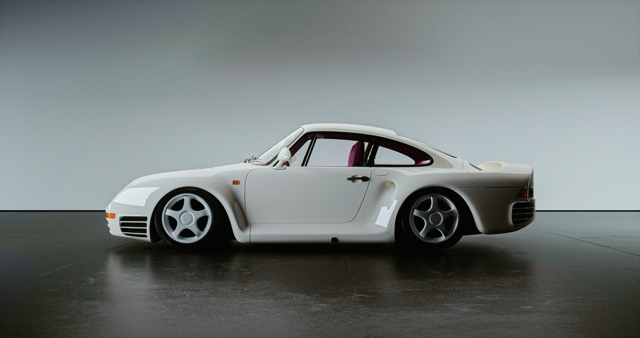






The Chrysler Turbine Car, produced in the early 1960s, was a groundbreaking endeavor in automotive engineering that aimed to revolutionize the way we think about car propulsion. With its unique turbine engine and sleek design, it sought to blend performance with efficiency, challenging conventional beliefs about internal combustion engines. This article delves into the innovative design features of the Chrysler Turbine Car, the role of aerodynamics in its engineering, the real-world performance of its turbine engine, and the lessons learned from this fascinating experiment.
The Innovative Design Features of the Chrysler Turbine Car
The Chrysler Turbine Car was a marvel of design, showcasing a futuristic aesthetic that turned heads wherever it went. Its body was characterized by smooth, flowing lines that not only contributed to its visual appeal but also optimized its aerodynamic profile. The car featured a low-slung roof and a wide stance, both of which were intentionally designed to reduce drag and enhance stability at high speeds. The use of lightweight materials also played a key role in improving handling and efficiency, making the car feel nimble on the road.
In addition to its exterior design, the Chrysler Turbine Car boasted a number of innovative features inside the cabin. The dashboard, for instance, was equipped with a plethora of controls designed for convenience and ease of use, reflecting the era’s shift towards driver-centric designs. The seating was spacious and comfortable, providing a luxurious experience for passengers. Moreover, the car’s lack of a conventional transmission allowed for a smoother ride, as the turbine engine provided continuous power without the need for gear changes.
Another notable aspect was the turbine engine itself, which was unlike anything seen in conventional vehicles of the time. This engine utilized jet engine technology, allowing it to run on a variety of fuels, including diesel and kerosene. The turbine was designed to produce higher torque at lower RPMs, promising better acceleration and efficiency. This pioneering approach to engine design not only set the Chrysler Turbine Car apart from its contemporaries but also paved the way for future innovations in automotive engineering.
Understanding Aerodynamics in Automotive Engineering
Aerodynamics is a critical aspect of automotive design, directly influencing a vehicle’s performance, fuel efficiency, and stability. The Chrysler Turbine Car was a prime example of how aerodynamic principles could be applied to enhance driving experience. Its sleek profile minimized air resistance, allowing the car to glide through the atmosphere more efficiently than traditional vehicles. This reduction in drag contributed to improved fuel economy, a significant consideration during an era when fuel efficiency was becoming increasingly important.
The shape of the Chrysler Turbine Car was meticulously crafted to encourage airflow around the vehicle. Features such as air dams, underbody panels, and strategically placed spoilers were incorporated to manage airflow and reduce turbulence. This focus on aerodynamics not only enhanced performance but also offered insights into how wind resistance can affect handling and ride quality, factors that are essential for modern automotive engineers to consider.
Moreover, the aerodynamic features of the Chrysler Turbine Car demonstrated the importance of balancing aesthetics with functionality. While many cars of the time prioritized bold designs, the Chrysler Turbine Car’s commitment to aerodynamics showcased how beauty could coexist with performance. Its design principles continue to influence modern automotive manufacturers, as they strive to create vehicles that are both visually appealing and aerodynamically sound.
Real-World Testing: Performance of the Turbine Engine
The performance of the Chrysler Turbine Car’s turbine engine was nothing short of remarkable during its testing phase. Upon hitting the roads, the turbine engine showcased an impressive capacity for acceleration, making it feel more responsive than many conventional cars. The smooth power delivery and rapid acceleration made driving the Turbine Car an exhilarating experience, setting it apart from its contemporaries. Moreover, the engine’s versatility in fuel options opened up new possibilities for future automotive design.
However, the real-world performance of the turbine engine was not without its challenges. While it excelled in acceleration, the engine’s fuel efficiency was less than ideal when compared to traditional gasoline engines. The initial excitement surrounding its performance was tempered by concerns about practicality, especially as fuel economy became a more pressing issue for consumers. Furthermore, the turbine engine’s unique characteristics required specialized maintenance, which posed additional challenges for widespread adoption.
Despite these challenges, the Chrysler Turbine Car still managed to capture the imagination of automotive enthusiasts and engineers alike. The tests conducted on the vehicle provided valuable data and insights into turbine technology, which would influence future developments in the automotive industry. The combination of high performance and advanced technology made the Chrysler Turbine Car an enduring symbol of innovation, even if it didn’t achieve commercial success.
Lessons Learned from the Chrysler Turbine Car Experiment
The Chrysler Turbine Car experiment serves as a case study in the importance of innovation in the automotive industry. While the vehicle never reached mass production, it highlighted the potential of turbine technology and its implications for future vehicles. One of the key takeaways is that pushing the boundaries of what’s possible is essential for progress, even if not every idea becomes commercially viable. The lessons learned from the Turbine Car have informed subsequent advancements in engine design and alternative fuel technologies.
Another significant lesson revolves around consumer acceptance of new technologies. The excitement surrounding the Chrysler Turbine Car was palpable, but the practical concerns surrounding fuel efficiency and maintenance ultimately hindered its widespread adoption. As automotive manufacturers continue to innovate, understanding consumer needs and preferences remains crucial. The experience of the Turbine Car underscores the importance of balancing cutting-edge technology with practicality to ensure that new vehicles resonate with buyers.
Finally, the Chrysler Turbine Car serves as a reminder of the importance of collaboration and experimentation in the automotive field. The project brought together engineers, designers, and visionaries, fostering an environment of creativity and exploration. As the automotive landscape continues to evolve, encouraging interdisciplinary collaboration will be vital for driving future innovations that push the industry forward.
The Chrysler Turbine Car may not have achieved commercial success, but its impact on automotive engineering is undeniable. Through its innovative design, exploration of aerodynamics, and unique turbine engine, it paved the way for future advancements in the industry. The lessons learned from this ambitious experiment continue to resonate, reminding us of the importance of innovation, consumer understanding, and collaboration in shaping the future of automotive technology. As we move forward, the spirit of the Chrysler Turbine Car will undoubtedly inspire the next generation of automotive breakthroughs.